
Canada’s emphasis on China, India, and Iran
as exporters of transnational repression should not overshadow the actions of smaller actors like Rwanda
David Himbara
Rwandan-Canadian educator, author, and professor of international development
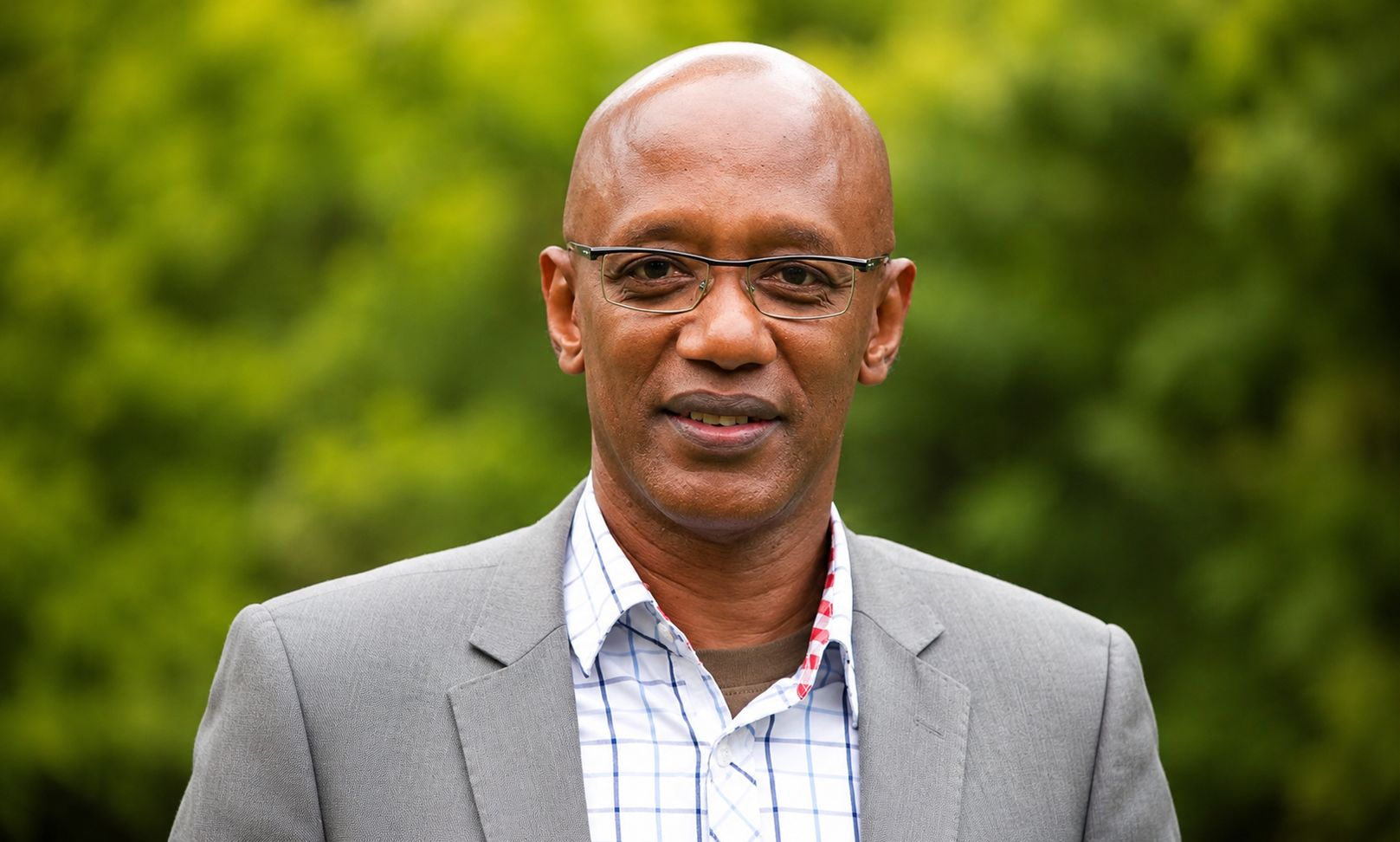
David Himbara
Canada has not been spared by transnational repression, whereby foreign governments harass, intimidate, surveil, coerce, threaten, or harm diaspora communities, exiles, activists, journalists, dissidents, or perceived critics—to silence dissent, suppress opposition, or advance state interests. Predictably, Canada, with its large immigrant and diaspora populations, has been a notable target. However, Canada has tended to focus its battles against transnational repression on its soil to what I would call the “big three” exporters of transnational repression—namely, China, India and Iran. As I illustrate here using the case of Rwanda, drawing the attention of the Canadian government to transnational repression by smaller actors is a futile exercise.
I am a Rwandan-Canadian who served in the government of Rwanda as Head of Strategy and Policy in the Office of the President from 2006 to January 2010. I fled Rwanda in the light of sharply increased violence, imprisonment, disappearances, deaths and exiling of both members of the opposition and senior government officials. I initially fled to South Africa but after several Rwandan exiles were assassinated there by the Rwandan death squads, I fled to Canada.
“Canada has not been spared by transnational repression.”
In Canada, I became a human rights defender, writing books, articles and online content about the Rwandan dictatorship of General Paul Kagame. The regime’s response was predictable—imprisonment of members of my family in Rwanda, while threatening my life and intimidating me using all means at its disposal. Threats via anonymous calls or social media, threats delivered directly or via proxies, online smear campaigns and reputational attacks accusing me of genocide denial or revisionism became the order of the day. I have changed my address countless times when suddenly my address is published online by unknown proxies. My photographs likewise taken my proxies are published on the internet often forcing me to move to another location. I now live in a high-security building that I can hardly afford.
My efforts to sensitize Canadian authorities about Rwanda’s transnational repression were fourfold: I sought assistance from the Toronto Metropolitan Police, involved the Royal Canadian Mounted Police (RCMP) and sought support from a Federal Member of Parliament. Furthermore, I requested to present the Rwandan case at the Public Inquiry into Foreign Interference in Federal Electoral Processes and Democratic Institutions. Regrettably, all my efforts proved to be unsuccessful.
One Canadian institution that rightly exposed Rwanda’s transnational repression in Canada is the media — the Globe and Mail in particular. Geoffrey York, the Globe and Mail’s Africa Bureau Chief, based in Johannesburg, has extensively reported on Rwanda, including its domestic politics and transnational repression targeting dissidents abroad, including in Canada. York’s coverage highlights how the Rwandan regime has used surveillance, harassment, family coercion, digital threats, and sometimes violence to silence critics in the diaspora. This aligns with broader documentation from Human Rights Watch, Freedom House, and others, which rank Rwanda among the most active perpetrators of transnational repression globally.
My activism and the Rwandan regime’s attempt to suppress my human rights endeavors were not in vain, however. I successfully lobbied the United States Congress to hold hearings on Rwanda’s transnational repression. On May 20, 2015, and October 17, 2017, I testified at the congressional hearing on Rwanda’s transnational repression before the Subcommittee on Africa of the Committee on Foreign Affairs of the House of Representatives. Our lobbying efforts in the United States continue to bear fruit with the recent sanctions imposed on the Rwandan Defence Force (RDF) and its top leadership. On March 2, 2026, the U.S. Department of the Treasury’s Office of Foreign Assets Control (OFAC) imposed sanctions on the RDF—Rwanda’s military—as an entity, along with four senior RDF officials. This marked the first time the United States sanctioned the RDF institutionally, rather than just individuals.
In conclusion, we must continue our efforts to persuade Canadian authorities to treat Rwanda as a major exporter of transnational repression. Let us recall that Constable Eli Ndatuje, a Rwandan-born RCMP officer stationed in Alberta, was arrested in February 2024 on charges related to leaking protected policing information to the government of Rwanda. Such acts should carry more weight in the call for action. They should convince the Canadian authorities that smaller actors in the export of transnational repression such as Rwanda demand action as much as the bigger actors of China, India and Iran. As the saying goes, African lives matter.
