
Seven Reasons Exile Stories Matter
Diary Marif
Vancouver-based Kurdish writer
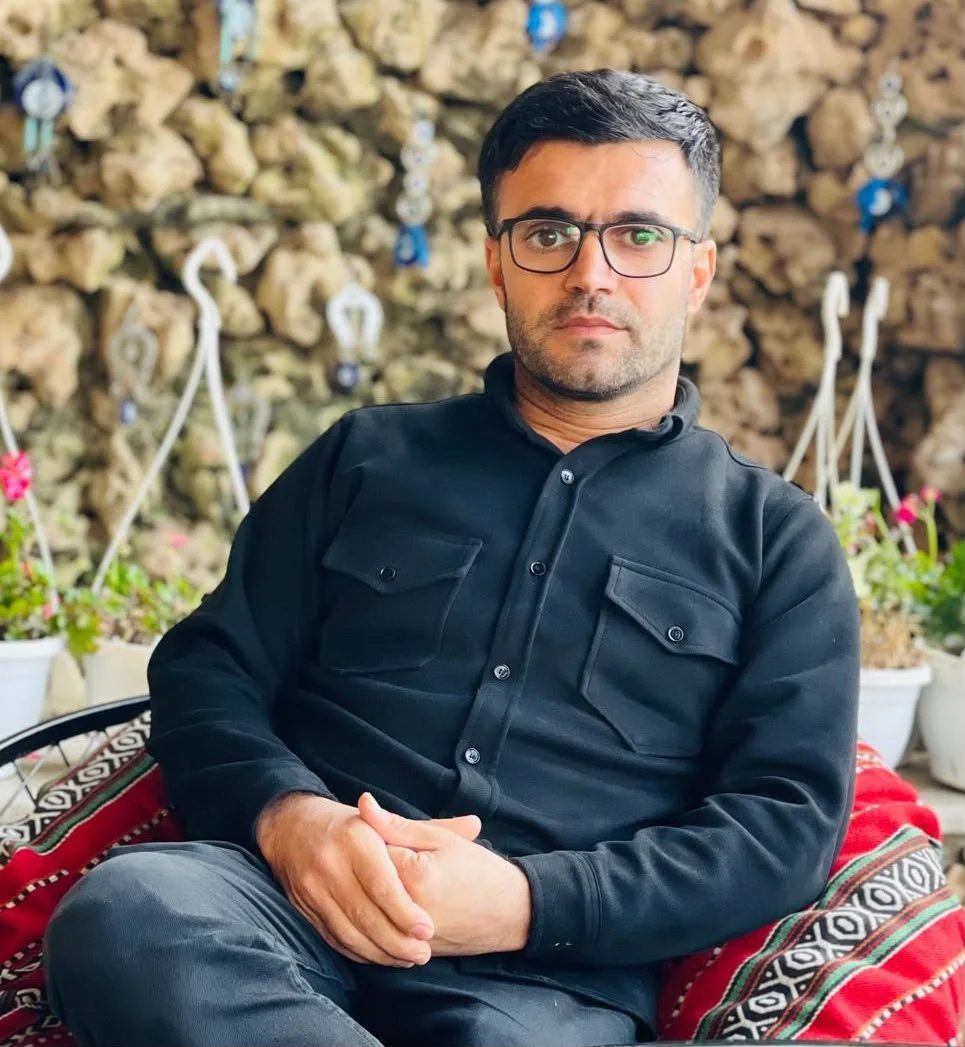
Many newcomers and exiled people in Canada carry stories of resistance, survival, and rebuilding that rarely reach public view. Some challenged oppression, others crossed dangerous paths to safety, and many rebuilt lives in a new country, reflecting broader social and political change. When unspoken, exile does not disappear; it settles into identity, shaping belonging and self-understanding. Silence also leaves space for misunderstanding, where incomplete narratives harden into stereotypes.
Over the years, covering newcomers’ lives and listening to their stories, I have seen how silence weighs on individuals long after arrival. Memories often surface in private moments, carrying an emotional burden that is difficult to name. When shared, something shifts: isolation eases, stereotypes weaken, and understanding grows. This is why these stories matter and why their impact deserves attention.
1. What a story can do
As part of an initiative around story-telling, I contributed a chapter entitled Saddam, the Fallen God to Geographies of the Heart: Stories from Newcomers to Canada (2024). After reading it at an event, one of the journalists involved in the book told me, “For over two decades, I have read about Iraq, but none of the texts moved me like your story.”
When I asked why and how, she pointed to the emotional and sensory detail. “You show feeling, experience, and humanity,” she said. “Personal stories carry more influence because they speak to human experience.” She added that while other forms of writing serve different purposes, personal writing speaks directly to shared humanity.
Her words stayed with me, and I have seen that effect repeated in many stories since then. Personal stories like these build understanding, dispel misapprehensions, challenge assumptions, and open space for empathy, connection, and support. At their best, they can resonate deeply, enlighten, bridge differences and move to action. They can even help create and enrich communities.
2. Creating empathy
Personal narratives build an emotional connection between people, not just understanding. They invite listeners and readers to engage with another person’s reality through attention and reflection, encouraging empathy that may lead to support, advocacy, and stronger communities. While not every audience reacts with empathy, many respond with care, recognition, and solidarity.
People share stories in many settings such as neighbourhood conversations, public transit, community gatherings, and other shared spaces. Writing also extends this exchange by allowing readers to reflect privately and, if they so choose, to respond in their own voice.
“Personal narratives build an emotional connection between people.”
3. Giving people a voice
People in exile may feel their stories do not matter or hesitate to speak out. Hearing others share their experiences can encourage reflection, build confidence, and foster greater visibility and participation in public life.
Each story can connect with others in unexpected ways and create recognition across experiences. One story can open space for others to share and for collaboration between newcomers, host communities, researchers, artists, and policymakers.
Together, personal stories can weave narratives as the threads composing the fabric of community. The stories of newcomers are fresh and can stimulate community-building.
“Every story creates space for another story.”
4. Recognizing skills and leadership
Recently, I participated in a Voices in Exile event in Ottawa as a member of the group, where I met and spoke with many skilled writers, journalists, activists, academics, and others. They shared their educational backgrounds, professional experiences, skills, journies and ambitions.
Many had worked to create positive change in their countries of origin but faced barriers from regimes, conflict, or other forms of oppression. Despite these challenges, they continued to develop their knowledge and leadership after arriving in Canada, where they pursued new opportunities and continue to work toward their goals.
5 Searching for identity
Many newcomers, including myself, face ongoing questions about identity. These questions often relate to where we come from, our cultural background, and the meaning of our roots, as well as where we feel included or excluded. In this process, people are often pushed into a search for themselves, where identity cannot remain static. It becomes something they must actively understand or risk losing clarity about who they are.
Storytelling becomes a way of rediscovering the self. Sharing personal stories goes beyond describing origin, culture, religion, or background; it helps people make sense of identity across time, place and experience. It can also foster social inclusion and public dialogue by bringing diverse voices into civic life. These stories are more than personal experiences; they are forms of knowledge grounded in lived experience, offering insight that helps communities understand one another.
6. Reducing stereotypes and prejudice
In today’s world, stereotypes and prejudice remain widespread. Mainstream media, political discourse, and everyday narratives often reduce immigrants, refugees, and minority communities to caricatures. Personal storytelling can challenge these dominant narratives by introducing lived complexity and broadening how these communities are understood.
For example, immigrants and refugees are sometimes portrayed as not contributing to host communities or as taking advantage of systems. In reality, many are educated, skilled, and committed to rebuilding their lives and contributing to society.
Misunderstanding can also arise within communities when people rely on incomplete or biased information. Personal narratives counter these distortions by replacing assumptions with lived reality, revealing complexity, humanity, and difference beyond simplified labels.
7. Expanding community
When people share and listen to personal stories, they help build more inclusive communities grounded in understanding and recognition rather than fear, division, or stereotypes. New stories literally add to the community.
At a broader level, tension often exists between systems shaped by political or economic interests and lived reality. Personal narratives challenge discrimination and injustice while revealing the complexity within all communities.
Even within groups affected by conflict or displacement, perspectives differ, shaped by personal history, survival, and access to information. This shows that identity is never uniform as shared contexts may not result in shared experiences much less the same stories.
Expanding community does not mean erasing differences but creating space where experiences can be shared and understood across them. In this way, personal narratives connect people and support a more inclusive, empathetic and ultimately richer society.
Across these reasons, the core idea emerges: when newcomers and people in exile share their stories, they transcend the past. They make the unseen visible, challenge fixed labels, and reveal complex lives. When these stories enter public spaces, they shape how communities learn, understand, and engage with one another, fostering both understanding and meaningful responses.
Sharing these experiences does not erase exile. It gives it a way to be spoken. It can turn distance into connection and private memory into something others can grasp and appreciate. In doing so, it reminds us that behind every label lies a life that continues to search for meaning, recognition, and belonging.
More from Diary Marif
Author Profile
Learn more about Diary Marif’s background, journalism, and work in exile.
View Profile →
https://voicesinexile.ca/homepage/v/wrdsga2mf5y84fcpwwb8epwwg2zs3p
The Marie-Ange Garrigue Prize: Sherwan Sherwani’s Fight for Freedom
An article highlighting Iraqi journalist Sherwan Sherwani’s struggle for press freedom and recognition through the Marie-Ange Garrigue Prize.
Read Article →
https://voicesinexile.ca/blog/the-marie-ange-garrigue-prize-sherwan-sherwanis-fight-for-freedom
Through Writing, I Found Healing and a Voice for My People
A personal reflection on how storytelling became a path toward healing, identity, and advocating for community.
Read Article →
https://voicesinexile.ca/blog/8wdq8g3werwl2pcov057qjjqnw1dyb
