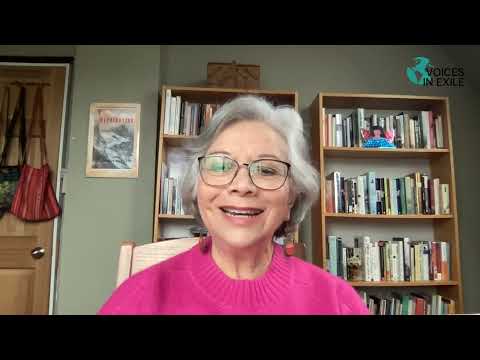
Arzu Yildiz
Arzu Yildiz: Investigative Journalism, Exile, and the Cost of Telling the Truth
Arzu Yildiz, a Turkish investigative journalist and editor now living in Canada, shares how her reporting at the intersection of journalism, literature, and advocacy—covering honor killings, corruption, gun trade, and mafia networks—ultimately forced her to flee Turkey in 2016, even as the Turkish judicial system and politics continued to pursue her. She explains how court reporting in Turkey places journalists inside courts and even police stations, offering access and “objectivity,” yet also making arrest easier, and describes the courtroom as the “true face” of a country where every crime carries a painful human story for victims and accused alike.
Yildiz details her investigation into alleged illegal weapons shipments by Turkish intelligence from Ankara to the Syria border, the government’s denial and later shift to framing the القضية as “state secrets,” and the arrest of three prosecutors who could not publicly defend themselves. After discovering and publishing trial video of prosecutors’ testimonies—first rejected by fearful media outlets—she created a YouTube channel so the public could hear their voices, prompting investigations and a sentence issued without the judge seeing her or allowing her defence.
She recounts the post–July 15 crackdown, including widespread arrests and torture shown in official media; after she posted screenshots condemning torture as a crime against humanity, an arrest warrant accused her of terrorist propaganda, forcing her to live underground for over five months with her two children, then escape via human smugglers and spend 18 days in a Greek refugee camp. In exile, she reflects on borders as prisons, the loss of language and memory, and how refugee camps strip away flags and nationality to reveal shared human pain and communication beyond words.
In Canada, she describes meeting exiled journalists from many countries, recognizing that language barriers prevent Canadians from understanding what happened in places like Venezuela, Mexico, Syria, and Iran, and that journalists often pay a high price only to be forgotten. She outlines discussions within PEN Canada’s Writers in Exile group that led to a storytelling project supported by volunteer university students and PEN leaders, resulting in a book that combines journalism stories with country context, historical background, and insight into how such experiences can turn journalists into human-rights defenders. Yildiz also summarizes a research project on exiled journalists in Canada, noting that Canada received close to 1,000 journalists in the last 10 years but only about 200 are known, with many lacking visibility or space to write.
She describes personal repercussions including losing custody rights in Turkey tied to her reporting, attempts to restrict her children’s travel documents, ongoing propaganda, isolation from the Turkish community in Canada, and continued threats—being placed on a “killing list” and later on a “gray list” labeled terrorist with promised rewards for information, receiving death threats online (including related to her support for Mahsa Amini and opposition to Iran’s Islamic regime), and experiencing a 2020 break-in that was not solved. She concludes by arguing that societies lose reality without journalists’ ethics and rules, and that beyond solidarity organizations, journalists need real legal protection and justice—especially when they can prove their work is honest and factual.